
The evolution of casinos tracing their historical roots and significance
The evolution of casinos tracing their historical roots and significance
Origins of Gambling and Early Casinos
The concept of gambling can be traced back to ancient civilizations, with evidence suggesting that forms of betting were prevalent in China as far back as 2300 BC. Archaeological findings include dice made from animal bones and other gaming paraphernalia that indicate early humans engaged in risk-taking activities. These primitive games laid the groundwork for the casinos we know today, illustrating humanity’s intrinsic attraction to chance and reward. Today, players can explore exciting options at mafiacasinonz.nz, which continues this thrilling tradition.
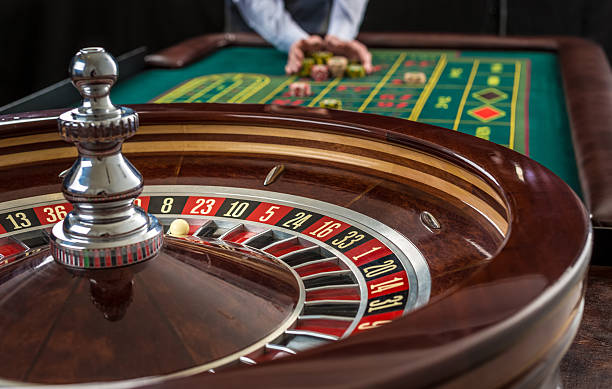
During the Roman Empire, gambling was officially sanctioned, leading to the establishment of various gaming establishments. These early venues were often luxurious and attracted a wealthy clientele. The Romans enjoyed games like dice and betting on chariot races, which set the stage for the more formalized casino establishments that emerged in Europe centuries later. This shift from informal gatherings to organized gaming venues marked a significant evolution in the gambling landscape.
As society advanced, so did the complexity and structure of gambling establishments. By the 17th century, the first recognized casino, the Casino di Venezia, opened its doors in Italy. This development signified a transition from informal gambling to sophisticated establishments that catered to elite members of society. The Casino di Venezia embodied the blend of entertainment and luxury, reflecting the era’s social dynamics and the growing popularity of games of chance.
The Rise of Casinos in Europe
The 18th century witnessed an explosion in the popularity of casinos across Europe. Countries like France and Italy became hubs for gambling, with the emergence of establishments that offered a variety of games, including roulette and baccarat. These venues were not merely places to gamble; they became social centers where people gathered to socialize and experience the thrill of chance. The allure of high-stakes gambling attracted aristocrats and wealthy individuals, enhancing the casino’s status as a symbol of sophistication.
France played a pivotal role in refining casino culture with the development of games that are still popular today. The establishment of the Monte Carlo Casino in Monaco in the 19th century epitomized the opulence associated with casinos. It introduced lavish decor, entertainment options, and a wide array of gaming tables, making it a beacon for gamblers worldwide. The Monte Carlo Casino helped solidify the idea of casinos as glamorous destinations, setting a standard that many establishments would strive to emulate.
As the appeal of casinos grew, so did the need for regulation and oversight. Governments began to recognize the economic potential of legalized gambling and the tax revenue it could generate. This led to the establishment of laws governing gambling activities, marking a significant evolution in the relationship between casinos and society. The balance between entertainment and regulation shaped the future of casinos, ensuring their sustainability while safeguarding players’ interests.
The American Casino Boom
The evolution of casinos in the United States took a distinctive turn in the 20th century, particularly during the 1930s. The Great Depression brought economic hardships, prompting many states to consider the legalization of gambling as a means to generate revenue. Nevada legalized casino gambling in 1931, setting the stage for Las Vegas to become the gambling capital of the world. The combination of legal frameworks and a thriving entertainment industry led to a casino boom that transformed the city into a vibrant oasis of chance.
Las Vegas emerged as a playground for adults, attracting celebrities, tourists, and thrill-seekers alike. The iconic Strip became synonymous with lavish casinos, extravagant shows, and a vibrant nightlife. The opening of establishments like the Flamingo and the Sands showcased the evolution of casino architecture and the importance of marketing. These properties not only focused on gaming but also provided extensive dining and entertainment options, which helped to redefine the casino experience.
As the popularity of casinos surged, so did the sophistication of gaming technology. The introduction of slot machines in the 1960s revolutionized the gambling experience, providing a simple yet engaging way for players to partake in games of chance. The evolution of gaming technology continued into the digital age, with online casinos emerging in the late 1990s. This shift allowed players to access their favorite games from anywhere in the world, further expanding the reach of casino gaming beyond traditional brick-and-mortar establishments.
The Modern Casino Experience
In the 21st century, casinos have evolved significantly, incorporating advanced technology and innovative designs to enhance the gaming experience. Modern casinos often feature themes, elaborate decor, and attractions that extend beyond gambling. Many casinos now include shopping centers, fine dining options, and live entertainment, transforming them into comprehensive entertainment complexes. This evolution reflects the changing preferences of consumers who seek more than just gambling but a complete leisure experience.
The introduction of mobile and online gaming has also reshaped the landscape of casinos. Players can now enjoy an extensive range of games from the comfort of their homes or on the go, leading to the rise of online casinos. This digital transition has created an entirely new market, allowing for innovations like live dealer games that bridge the gap between online and traditional casino experiences. The convenience and accessibility of online gambling have revolutionized how people engage with gaming.
In addition to technological advancements, the modern casino industry has placed a greater emphasis on responsible gaming practices. As awareness of gambling addiction has increased, many casinos now implement measures to promote responsible gaming. This includes offering self-exclusion programs, providing information about gambling addiction, and training staff to recognize and assist individuals who may be struggling. This shift towards a more ethical approach to gambling reflects the industry’s commitment to player welfare and social responsibility.

Mafia Casino: A New Era of Online Gaming
Mafia Casino represents the evolution of the casino experience in the digital age, offering an engaging platform for players looking to enjoy a diverse range of games. Designed with user experience in mind, Mafia Casino provides a vast library of over 3,000 games, including slots, table games, and live dealer options. This extensive selection ensures that players have access to various gaming experiences, catering to different preferences and skill levels.
The online casino also emphasizes security and convenience. With fast payment options and a responsive design for mobile users, Mafia Casino creates a seamless gaming environment that prioritizes user satisfaction. Additionally, the generous welcome bonus of 100% up to 1000 NZD, along with 200 free spins, demonstrates the site’s commitment to attracting new players while providing ongoing promotions for loyal users.
Beyond just gaming, Mafia Casino fosters a community atmosphere with a dedicated support team ready to assist players with any inquiries. This focus on customer service ensures that every player feels valued and supported throughout their gaming journey. As casinos continue to evolve, Mafia Casino exemplifies the integration of modern technology, user engagement, and responsible gaming, paving the way for future developments in the online gaming industry.
Categories: Public